

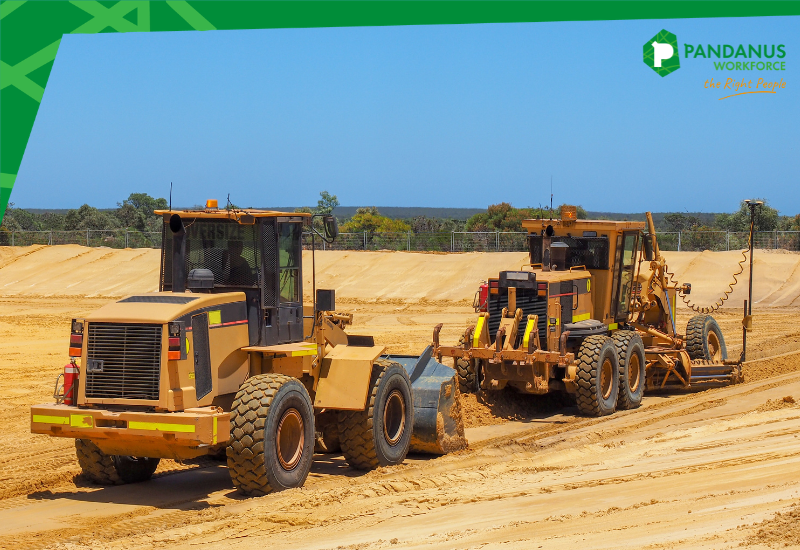
If you’re delivering a project in regional or remote Australia, chances are you’ve hit the same wall as everyone else: finding skilled, reliable labour where and when you need it.
Local talent pools are limited. The good workers are already taken. And flying people in just adds cost, complexity, and risk of drop-off.
This is one of the biggest ongoing frustrations we hear from our clients, and the truth is, there’s no silver bullet. But with the right strategy and the right workforce partner, you can avoid the delays, reduce the churn, and keep your project moving.
Here’s what’s going wrong with regional recruitment, and what you can do about it.
Why It Seems Harder to Find Skilled Labour in Regional Areas
Regional projects operate in a very different labour environment compared to metro builds. In cities, there’s usually a deeper workforce pool, easier transport access, and more flexibility in scaling crews. In regional areas, the equation changes.
First, the local skilled labour pool is often small and already committed to long-standing employers or ongoing infrastructure works. Competing projects can quickly absorb available trades, plant operators and supervisors.
Second, mobilisation logistics create friction. Travel, accommodation, fatigue management and roster expectations all influence whether workers will accept or stay in a role. If those elements aren’t well managed, retention becomes a serious issue.
Finally, regional projects often require a broader skillset. Workers may need to operate across multiple functions, adapt to remote conditions, or meet specific compliance requirements tied to environmental or Indigenous engagement commitments.
In short, regional labour hire isn’t just about filling vacancies, it’s about planning for a more constrained and complex workforce landscape.
The Cost of Getting It Wrong
When regional recruitment isn’t handled strategically, the consequences show up quickly.
Delays in mobilisation can push out project milestones and create pressure across subcontractors. High turnover or no-shows can force supervisors into reactive management, increasing safety risks and productivity losses.
There’s also the financial impact. Constantly flying in replacement workers, extending accommodation bookings, or paying premium rates for last-minute placements eats into margins. Over time, what seems like a short-term labour gap becomes a long-term cost drain.
Beyond cost and time, there’s reputation. Regional communities are tightly connected. Projects that fail to engage local workers or churn through crews risk damaging relationships that matter for future tenders and long-term presence in the area.
Effective labour hire in regional environments protects more than timelines, it protects your brand and stakeholder trust.
How Pandanus Workforce Supports Regional Projects Differently
At Pandanus Workforce, we approach regional labour hire with structure, foresight and local understanding.
First, we prioritise workforce planning early. Rather than waiting for shortages to appear, we map labour requirements against project stages and regional market realities. This allows for proactive sourcing and staged mobilisation.
Second, we balance national reach with local networks. Where possible, we engage and upskill regional workers to build continuity and reduce travel dependency. When interstate mobilisation is required, we manage expectations clearly around roster structures, site conditions and accommodation to improve retention.
Third, compliance and safety aren’t afterthoughts. Regional projects often involve stricter environmental and community engagement considerations. Our systems ensure workers arrive fully inducted, compliant and prepared for the specific conditions of the site.
Most importantly, we stay engaged beyond day one. Regular check-ins with supervisors and workers allow us to address issues early, reduce churn and maintain consistent performance across the project lifecycle.
Regional Doesn’t Have to Mean Risky
Delivering projects outside metropolitan centres will always carry added complexity. However, complexity doesn’t have to translate into instability.
With structured workforce forecasting, genuine regional engagement and a labour hire partner who understands the realities on the ground, skilled labour challenges can be managed, not endured.
Regional projects are critical to Australia’s infrastructure and renewable energy growth. They deserve workforce solutions that are just as robust.
If you’re planning or delivering a regional project and struggling to secure skilled labour, it may be time to rethink your approach to regional labour hire. At Pandanus Workforce, we’re ready to help you build a workforce strategy that supports performance, protects margins and keeps your project on track.